what happens when you get gestational diabetes Diabetes gestational
Gestational diabetes is a condition that affects pregnant women, causing high blood sugar levels during pregnancy. It is important for expecting mothers to be aware of this condition, as it can have long-term effects on both the mother and the baby. In this post, we will discuss what gestational diabetes is, its causes, potential risks, and how it can be managed. Gestational diabetes occurs when the hormones produced during pregnancy make it challenging for the body to use insulin effectively. Insulin is a hormone that helps regulate blood sugar levels. When insulin resistance develops, blood sugar levels can become elevated. During pregnancy, the placenta produces hormones that help the baby grow and develop. However, these hormones can also block the actions of the mother’s insulin. This creates a condition called insulin resistance, where the mother’s body cannot use insulin properly. As a result, the mother’s blood sugar levels rise, leading to gestational diabetes. Several risk factors can increase a woman’s chances of developing gestational diabetes. These factors include being overweight or obese, having a family history of diabetes, being over the age of 25, and having previously given birth to a baby weighing over 9 pounds. Additionally, certain ethnic backgrounds, such as Hispanic, African American, Native American, and Asian, have a higher prevalence of gestational diabetes. If left untreated, gestational diabetes can lead to complications for both the mother and the baby. For the mother, it can increase the risk of high blood pressure, preeclampsia, and the need for a Cesarean section. It can also increase the likelihood of developing type 2 diabetes later in life. For the baby, gestational diabetes can lead to larger birth weight, which may increase the risk of birth injuries, such as shoulder dystocia. It can also increase the baby’s risk of developing low blood sugar levels after birth, respiratory distress syndrome, and type 2 diabetes later in life. Luckily, gestational diabetes can be managed through lifestyle modifications and, if necessary, medication. The primary focus is on maintaining healthy blood sugar levels. This can be achieved through a balanced diet, regular exercise, and monitoring blood sugar levels. A registered dietitian can help create an individualized meal plan that includes foods with a low glycemic index. These foods are absorbed more slowly by the body, preventing rapid spikes in blood sugar levels. It is also essential to consume an adequate amount of fiber, protein, and healthy fats. It is recommended to eat smaller, more frequent meals throughout the day and avoid skipping meals. Regular physical activity can also help manage gestational diabetes. Engaging in moderate exercise for at least 30 minutes a day, most days of the week, can help regulate blood sugar levels. Activities such as brisk walking, swimming, and prenatal yoga can be beneficial. In some cases, medication, such as insulin injections or oral medications, may be necessary to help control blood sugar levels. If lifestyle modifications alone are not enough to control gestational diabetes, your doctor will work with you to find the most suitable treatment plan. It is important to attend regular prenatal check-ups to monitor the baby’s growth and development. Your healthcare provider may recommend additional ultrasounds or non-stress tests to ensure that the baby is thriving. Managing gestational diabetes can be challenging, but with the right support and lifestyle adjustments, it is entirely possible to have a healthy pregnancy and delivery. Remember to communicate openly with your healthcare team, follow their guidance, and take care of both your physical and emotional well-being. If you are diagnosed with gestational diabetes, it is crucial to remember that it is temporary and typically resolves after giving birth. However, it does increase the risk of developing type 2 diabetes in the future. Therefore, it is essential to maintain a healthy lifestyle even after delivery to reduce the risk. In conclusion, gestational diabetes is a condition that pregnant women should be aware of. It can have significant implications for both the mother and the baby if left untreated. By making lifestyle adjustments and closely following the guidance of healthcare professionals, it is possible to manage gestational diabetes effectively. The key is to maintain healthy blood sugar levels through a balanced diet, regular exercise, and, if necessary, medication. Remember, with the right support and care, you can have a healthy pregnancy and a bright future with your little one.
If you are looking for Gestational Diabetes - DANII Foundation you’ve came to the right web. We have 5 Pics about Gestational Diabetes - DANII Foundation like The Truth About Gestational Diabetes | Edward-Elmhurst Health, Gestational Diabetes A Disease Which Occurs In Pregnant Women - Whatafy and also About Gestational Diabetes - Lakes Regional Healthcare. Here you go:
Gestational Diabetes - DANII Foundation
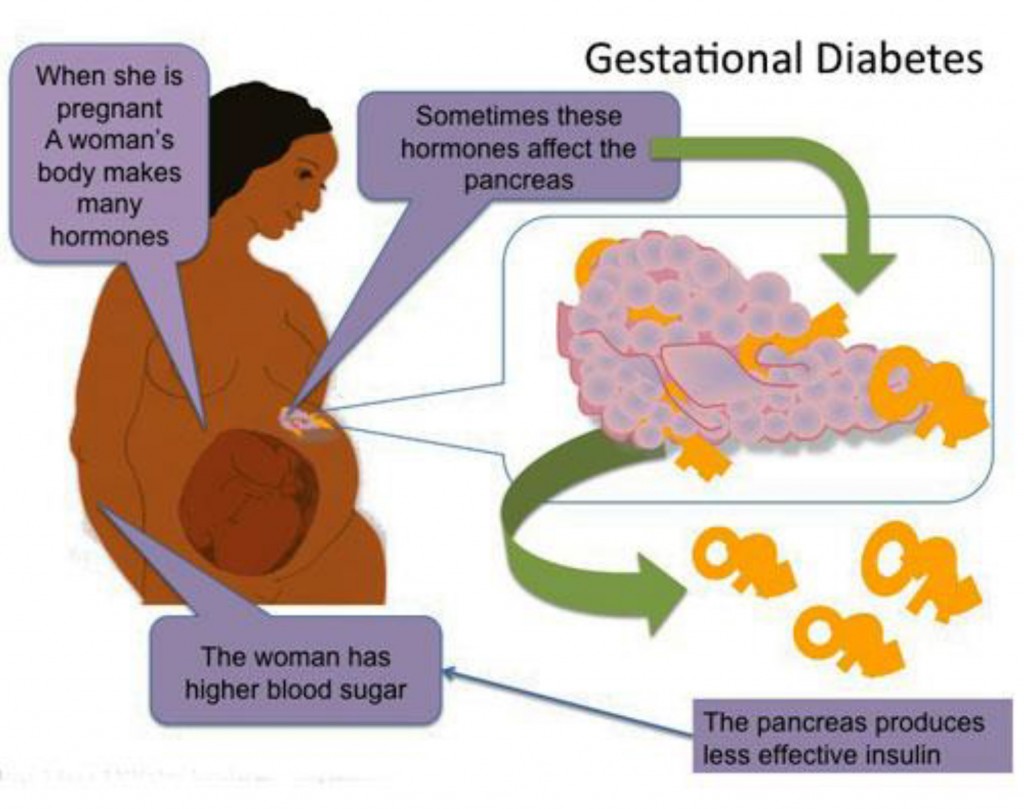 danii.org.audiabetes gestational glucose pregnancy type danii woman capsules support dr life baby au
About Gestational Diabetes - Lakes Regional Healthcare
 lakeshealth.orgdiabetes gestational
The Truth About Gestational Diabetes | Edward-Elmhurst Health
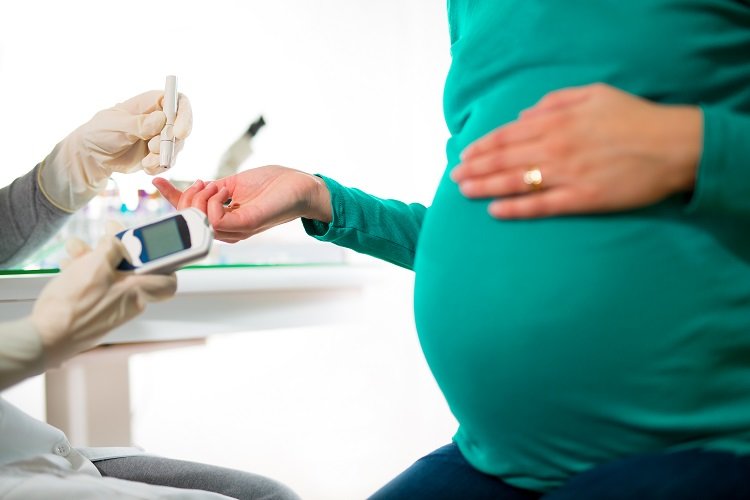 www.eehealth.orgdiabetes gestational
Gestational Diabetes A Disease Which Occurs In Pregnant Women - Whatafy
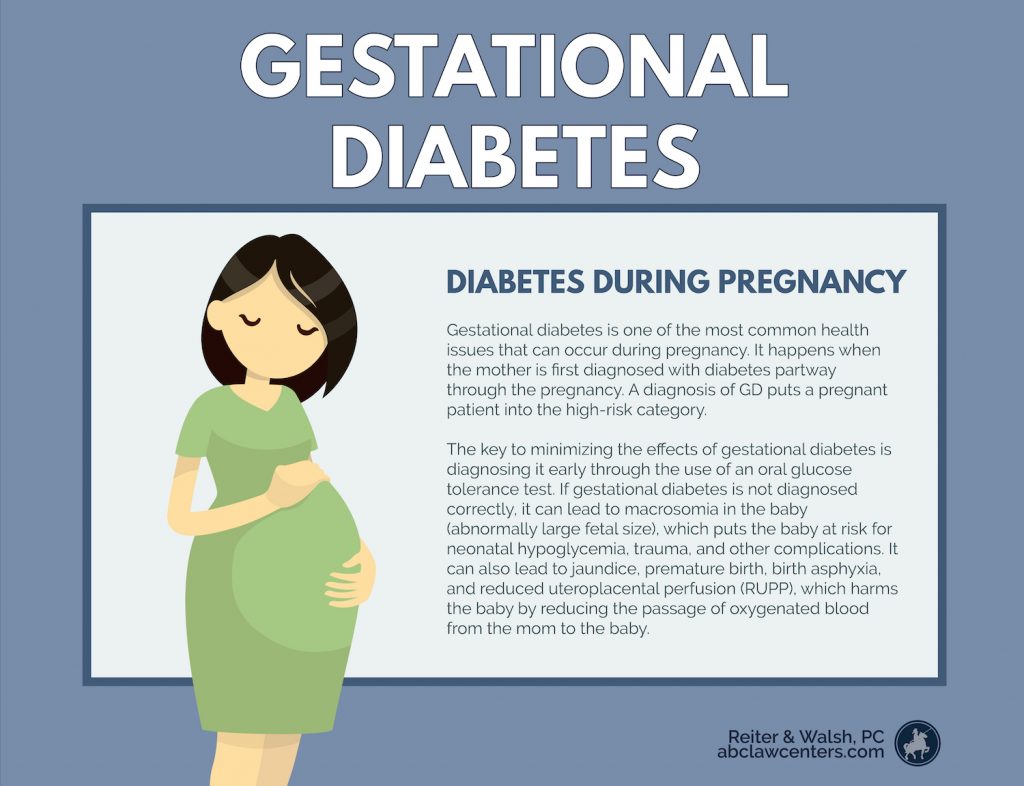 whatafy.comdiabetes gestational pregnancy complications occurs delivery affects injuries birth
What Happens When You Develop Gestational Diabetes? - Fernandez Hospital
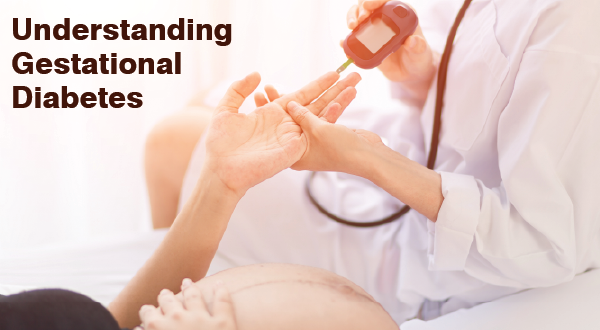 blog.fernandezhospital.comgestational diabetes develop happens when pregnant childbirth usually disappears levels blood sugar while after high
Diabetes gestational. Gestational diabetes. Diabetes gestational pregnancy complications occurs delivery affects injuries birth